Free Intros. Weekly free intros to padel at East Austin, North Austin, and North Dallas. Sign up.


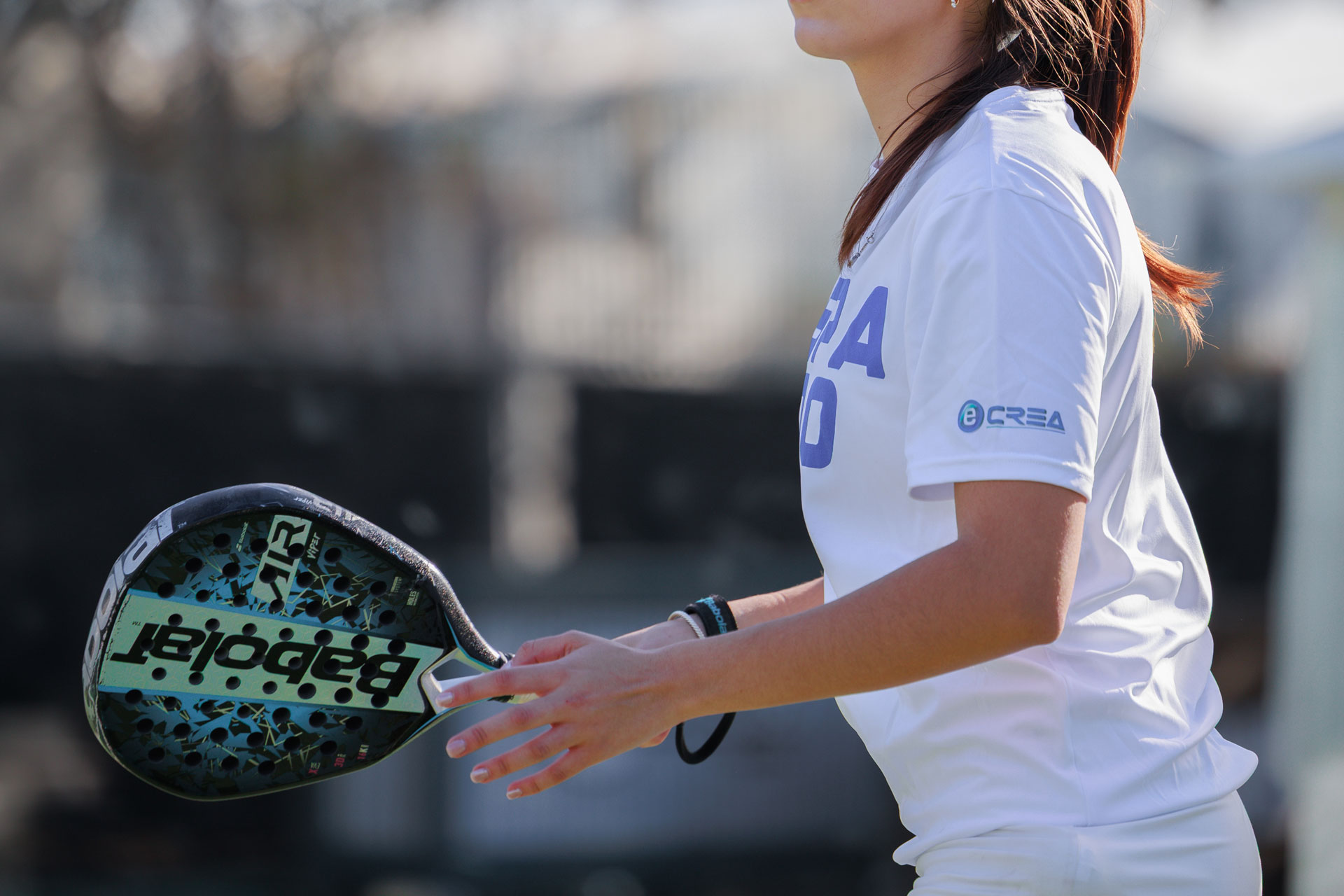
If you have ever wondered why some padel players seem to control the ball effortlessly while others struggle for consistency, the answer is often not technique alone.
The racket you use has a huge influence on how the game feels and how consistently you play.
Choosing the right padel racket for your playing style can improve control, power, comfort, and even reduce the risk of injury.
With so many shapes, materials, and balances available, it is easy to feel overwhelmed. Here is a guide from the team at Padel39 that breaks down the key factors to help you find a racket that truly matches the way you play.
Padel rackets generally fall into three shape categories. Each one is designed to favor a different type of player.
Round rackets have a large sweet spot centered in the middle of the face. This makes them very forgiving on off-center hits and ideal for players who value consistency over raw power.
They are best suited for:
If you are still developing your technique or play longer rallies from the back of the court, a round racket can make the game feel much easier.
Teardrop-shaped rackets are arguably the most versatile option. They offer a balance between control and power, with a sweet spot slightly higher than a round racket but still generous.
They are best suited for:
This is often the safest choice if you are unsure what style truly defines your game.
Diamond-shaped rackets have the sweet spot higher up on the face, which increases power but reduces forgiveness. These rackets reward clean technique and fast swings.
They are best suited for:
If you enjoy attacking and have consistent timing, a diamond racket can help you add serious firepower.
Balance refers to how the weight of the racket is distributed.
Defensive players and those who play a lot of volleys often prefer a more balanced or head-light feel. Power players usually lean toward a slightly head-heavy setup.
The face material of a padel racket affects both feel and performance.
If comfort and control are your priorities, fiberglass or a carbon blend is a smart choice. If you want maximum performance and responsiveness, full carbon faces are more common at higher levels.
Some rackets feature rough or textured faces designed to help generate spin on volleys, bandejas, and viboras. Rough surfaces can enhance spin for more experienced players, but they also require cleaner contact. Smooth faces tend to feel more forgiving and consistent, especially for players still refining their technique.
Spin should be seen as a bonus, not a shortcut - control and timing always come first.
Most adult padel rackets range between 360 and 380 grams, not including the grip.
If you play frequently or have a history of elbow or shoulder issues, prioritizing comfort over weight is crucial. A racket that feels great for one set but painful after three is not the right long-term choice.
To simplify the decision, think about how you win points.
The best racket is not the most expensive or the one your favorite pro uses. It is the one that complements your strengths and helps cover your weaknesses.
Choosing the right padel racket can transform how the game feels on court. When your racket matches your playing style, you gain confidence, consistency, and enjoyment with every shot.
Small differences in shape, balance, and feel can make a big impact. In padel, the right racket does not just support your game, it becomes an extension of it.
If you are unsure where to start, ask a coach or try different rackets before buying. At Padel39, we always recommend testing rackets and getting guidance based on your level, playing style, and physical needs. Small differences in shape, balance, and feel can make a big impact. In padel, the right racket does not just support your game, it becomes an extension of it.
A few minutes of expert advice can save you months of frustration.