Free Intros. Weekly free intros to padel at East Austin, North Austin, and North Dallas. Sign up.


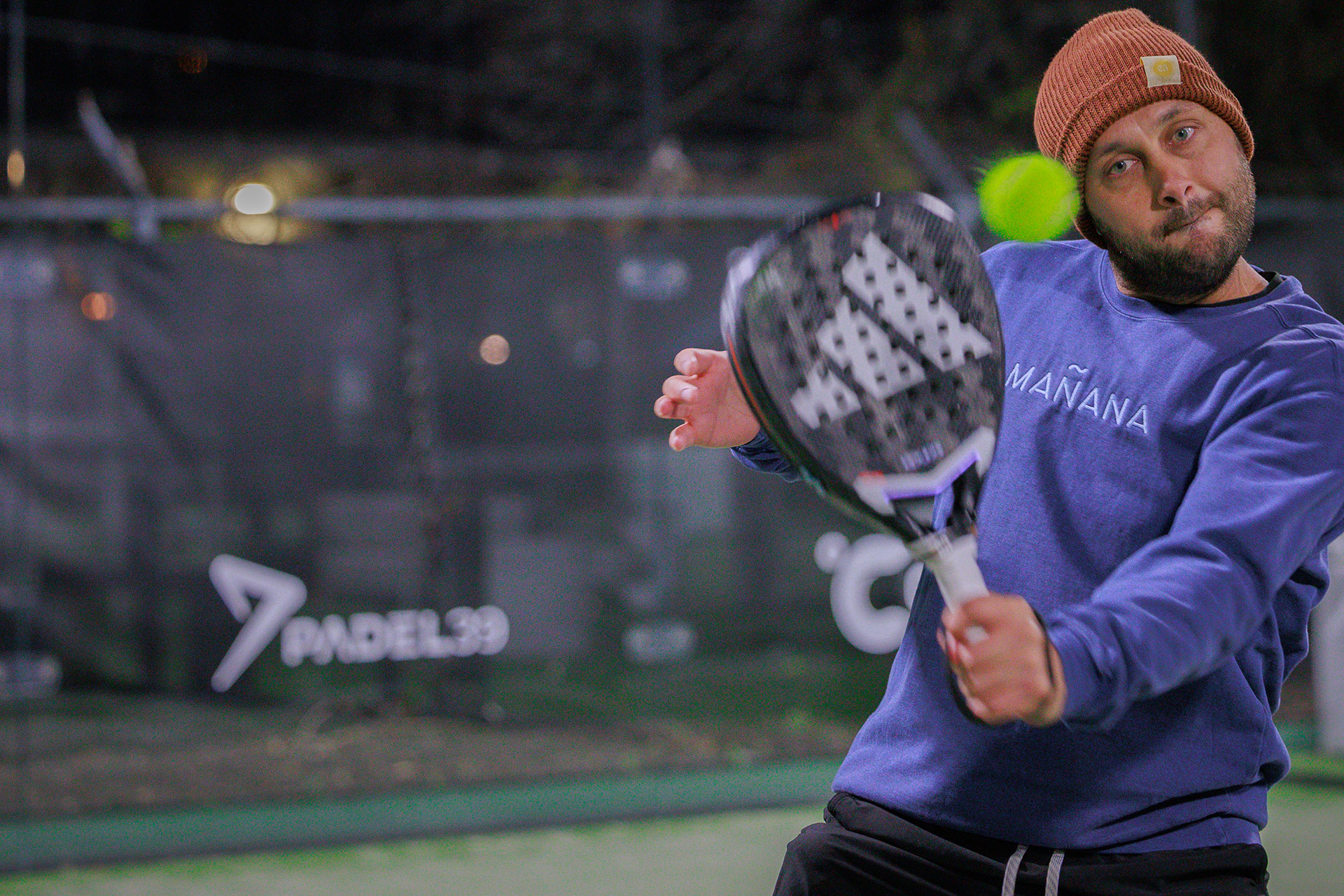
Padel is described as a game of strategy, positioning and teamwork.
All of that is true, but there is another element that separates good players from great ones: reaction time.
Because padel courts are smaller and rallies develop quickly, you often have less than a second to respond to a fast volley, a rebound off the glass, or a sudden change of direction. The faster you react, the more time you give yourself to make better decisions and execute cleaner shots.
The good news is that reaction time is not just something you are born with. Like most aspects of padel, it can be trained and improved.
Below are some tips from the Padel39 team about practical ways to sharpen your reactions and become a more dangerous player on the court.
One of the simplest ways to react faster is to start from a better position.
Many recreational players stand too upright or flat-footed while waiting for the next shot. This slows down their first movement.
A proper ready position should include:
Think of it as being spring-loaded. When the ball comes, your body is already prepared to move in any direction.
Professional players constantly reset to this position between shots, which is why they appear to react so effortlessly.
The split step is one of the most important footwork techniques in padel.
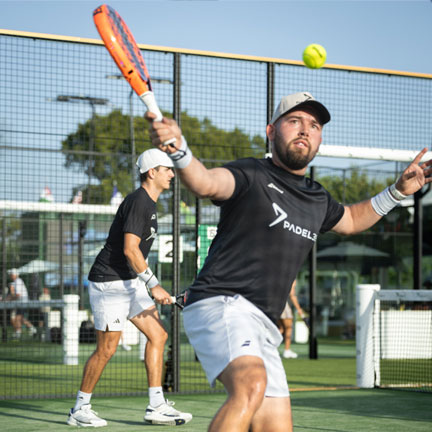
Just before your opponent hits the ball, perform a small hop and land with both feet slightly wider than shoulder width. This moment prepares your muscles to push explosively in any direction.
The timing is crucial. You should land your split step exactly when your opponent strikes the ball.
When done correctly, it dramatically improves your ability to react to fast shots, especially at the net where volleys happen quickly.
Reaction time is not just about your legs. Your eyes and brain play an enormous role.
The earlier you read the ball, the more time you have to respond.
Focus on:
Experienced players often appear faster because they anticipate where the ball will go before it is hit.
In padel, recognizing cues like body position, racket angle and swing path can give you a critical fraction of a second advantage.
One of the best ways to improve reaction speed is to simulate game situations.
A simple drill is rapid volley exchanges between two players standing close to the net. The goal is to keep the ball moving quickly while maintaining control.
Benefits of this drill include:
Start at a manageable pace and gradually increase the speed as your comfort level improves.
You can also train your reaction time away from the court. In fact, some of the most effective reaction training happens in short, focused sessions that have nothing to do with a padel racket.
Reaction time is largely about how quickly your brain processes visual information and sends instructions to your body. By training that response loop, you can improve how quickly you move, prepare your racket, and adjust to unexpected shots during rallies.
Here are a few simple but highly effective drills:
You do not need long training sessions to see improvement. Even five to ten minutes of focused reaction drills can help strengthen the connection between your eyes, brain and hands.
Over time, this improved neural processing speed shows up on the court. You will feel more prepared for fast volleys, tricky rebounds off the glass, and those sudden exchanges at the net that often decide the point.
Many players think their reactions are slow when the real issue is actually poor footwork.
Quick feet allow you to adjust your position and get behind the ball earlier. Without good footwork, even a fast reaction will not save the shot.
Footwork drills such as ladder exercises, cone drills, and short sprints can help develop the explosive movement required in padel.
Better movement means better balance, and better balance means cleaner shots.
Tension slows everything down.
When players become nervous or overly focused on winning the point, their movements often become rigid. This makes reacting quickly much harder.
Try to stay relaxed during rallies. Loose shoulders and soft hands allow your body to respond naturally rather than forcing the movement.
Many top players describe the feeling of being "in rhythm" during a match. That rhythm often comes from staying calm and letting your reactions flow naturally.
The final and perhaps most effective method is simply playing more matches. What is not to love about spending more time at Padel39?
Real game situations provide unpredictable bounces, varied opponents and pressure moments that no drill can perfectly replicate.
The more rallies you experience, the more your brain learns to recognize patterns and respond automatically.
Over time, you will notice that balls which once felt impossibly fast suddenly seem manageable.
Improving your reaction time in padel is a combination of technique, awareness and repetition. By refining your ready position, mastering the split step, training your eyes, and practicing high-speed drills, you can significantly increase your responsiveness on the court.
In padel, even a fraction of a second can make the difference between reaching a difficult ball and watching it bounce past you. Train your reactions, and you will find yourself winning more of those fast exchanges that define the game.
Come and chat to the coaching team if you are struggling with reaction time or, indeed, any aspect of your game as we would love to help.