Free Intros. Weekly free intros to padel at East Austin, North Austin, and North Dallas. Sign up.


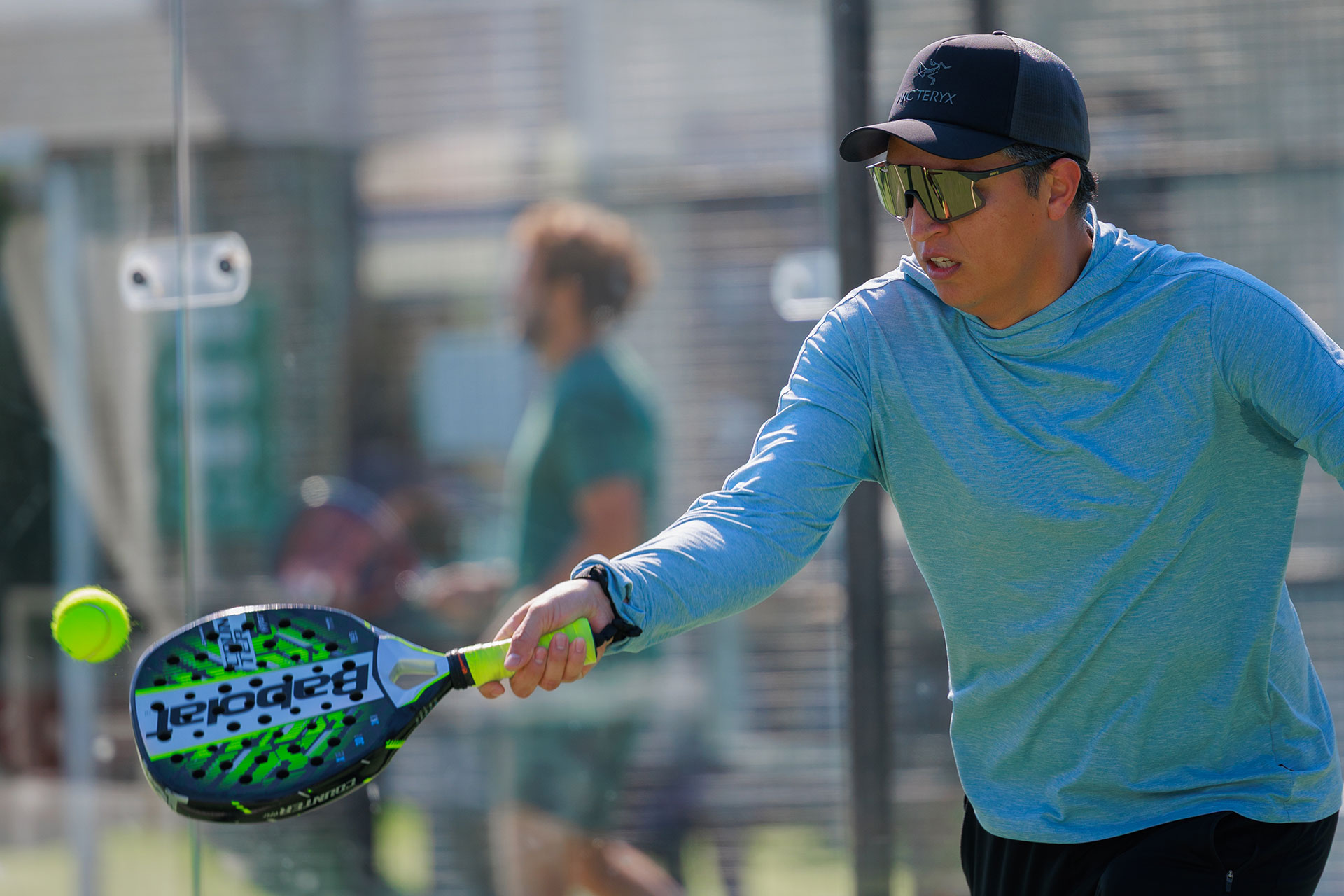
Padel is not just physical - it is a very strategic sport. The best players are not simply amazing shot makers, they make the best choices during match play.
Every rally asks the same question: attack now, or reset and wait.
You should not be aggressive all the time, but being permanently passive will not work either. You must constantly think about how the point is building and switch gears based on position, balance and risk.
Understanding when to play offense and when to defend is what separates controlled padel from chaotic padel.
As always, the coaching team here at Padel39 are here to help so we have summarised some thoughts to help you develop your game.
Points in padel are rarely won from a single shot. They are built through pressure, patience and timing.
Choosing offense at the wrong moment often hands the initiative to your opponents. Staying defensive for too long invites them to dictate the rally.
Good strategy is about earning offense, not forcing it.
Defense is certainly not a sign of weakness. It is often the smartest play on court.
You should favor defense when you or your partner are under pressure, stretched wide, or off balance. If you are deep in the back court and the ball is low or tight to the glass, high percentage shots are essential. Lobs, controlled cross court balls and safe rebounds off the back wall buy time and reset positioning.
Defensive play also makes sense when your opponents are at the net and well set. Trying low percentage passing shots or rushed winners usually ends the point quickly, and usually not in your favor.
Strong defense forces extra shots. Extra shots create errors.
The shift from defense to offense usually starts with a good lob. A high, deep lob that pushes opponents back or overhead off balance opens the door to the net.
Once your opponents are retreating, that is your moment to move forward together. Transition as a pair, not individually. One player creeping forward alone is a common mistake and an easy target.
The goal of the transition is not to finish the point immediately. It is to claim net position and start applying pressure.
Offense works best when three conditions are met: balance, position and time.
If you are at the net, balanced, and receiving a ball above net height, offense is usually the correct option. This does not always mean hitting harder. Controlled volleys, angled shots, and well placed bandejas all count as offensive play.
Attack when your opponents are late, out of position, or recovering from the glass. These moments are short. Recognizing them quickly is a major skill.
Smart offense increases pressure while keeping risk low.
One of the biggest errors is attacking from the back court without a clear advantage. Flat drives from behind the baseline often sit up and come back harder.
Another mistake is overusing power at the net. Padel rewards placement and patience more than raw pace. Trying to end every rally with a smash usually leads to unforced errors.
Finally, many players defend too passively. Defense should still have intent. Lobs should be deep, shots should have margin, and recovery positioning should be deliberate.
We have written about the importance of teamwork and communication in padel before. Offense and defense decisions must be shared. If one player attacks while the other stays back, gaps appear immediately.
Talk between points. Agree on patterns. Decide when you are happy to defend and when you want to push forward. Padel rewards pairs that think together.
Winning a padel match is not about choosing offense or defense. It is about knowing when to switch between the two strategies.
Defend to stay in the point. Transition to gain position. Attack when the odds are in your favor. Do that consistently, and the game starts to slow down in the best possible way.
If in doubt, come and chat to our coaches, who will be very happy to help you develop your strategic decisions. We look forward to seeing you on court.