Free Intros. Weekly free intros to padel at East Austin, North Austin, and North Dallas. Sign up.


It is no secret that Padel is growing at an incredible rate across the globe.
More players than ever are investing in equipment, apparel and accessories. While that growth is exciting for the sport, it also raises an important question: how can padel become more sustainable?
Across the sporting world as a whole, manufacturers are increasingly focusing on environmentally friendly materials, production methods and product lifecycles.
Padel is now embracing that trend, with brands exploring innovative ways to reduce waste and lower environmental impact without compromising performance.
At Padel39, we love seeing the sport evolve in a positive direction. Sustainability is becoming an increasingly important topic for players, clubs and equipment brands alike, and there are some genuinely encouraging developments emerging across the industry.
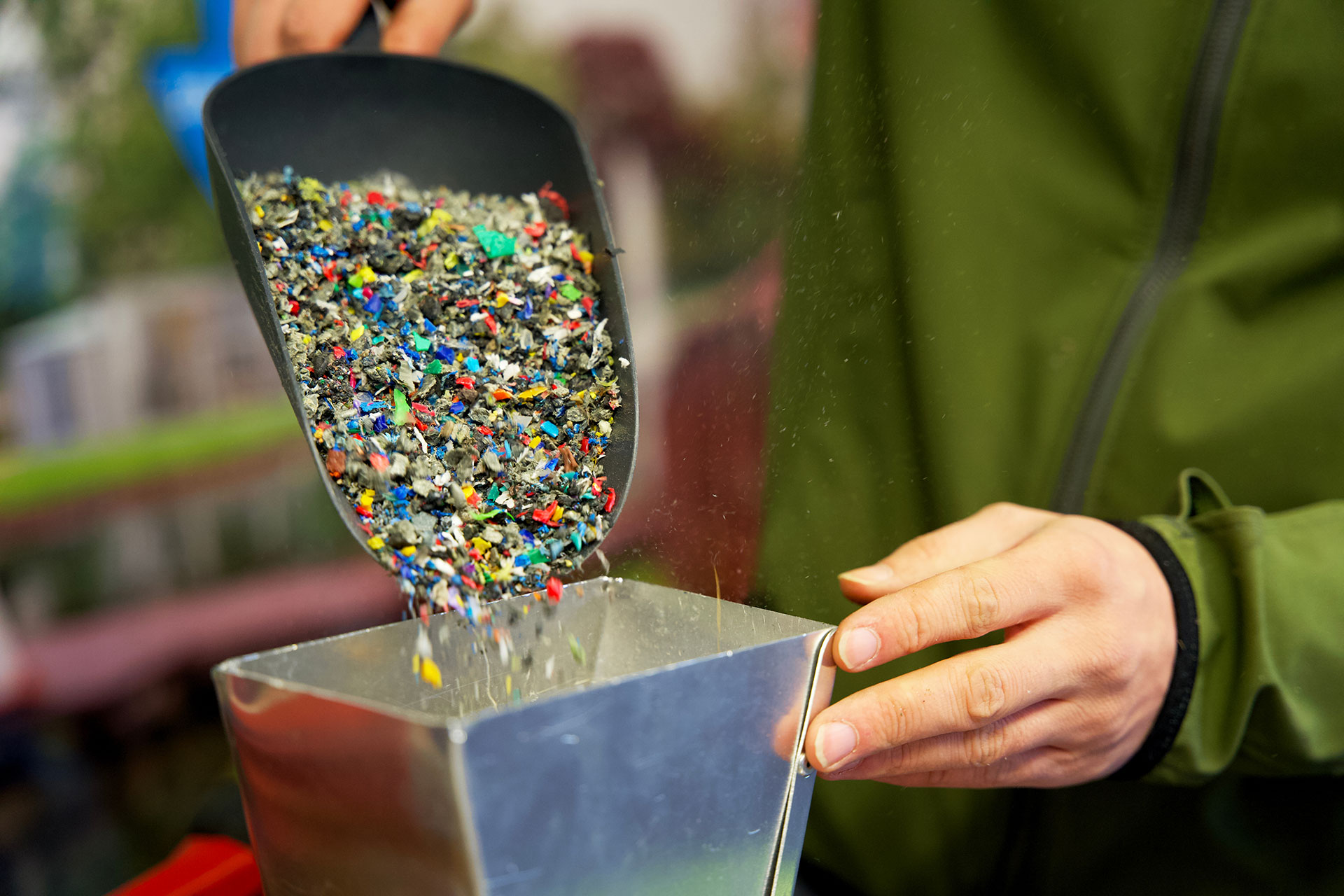
One of the biggest shifts in padel equipment manufacturing is the growing use of recycled materials.
Some brands are now incorporating recycled plastics, reclaimed carbon fibers and sustainable fabrics into their products. This includes everything from racket frames and grips to clothing and bags.
Performance still matters enormously to players, so manufacturers have had to ensure that eco-friendly alternatives can still deliver durability, comfort, and responsiveness on court. Thankfully, advances in material technology mean that sustainable products are becoming increasingly competitive with traditional equipment.
Even small changes can have a significant cumulative effect when millions of products are manufactured globally each year.
Sportswear production has traditionally been resource intensive, particularly when it comes to synthetic fabrics and water usage. That is beginning to change.
Many apparel brands are now introducing:
For players, sustainable apparel offers an opportunity to reduce environmental impact without sacrificing comfort or style. You can still look / feel great on the court but do your bit to help the planet.
As padel continues to develop its own culture and identity, there is a growing appreciation for brands that prioritize both performance and responsibility.
Sustainability is not only about recycled materials. Product longevity is hugely important.
Cheap equipment that needs replacing frequently can often create more waste than premium products designed to last longer. High-quality rackets, durable shoes, and well-constructed bags can significantly reduce overall consumption over time.
This is particularly relevant for newer players who may be tempted by low-cost beginner equipment. Investing in gear that lasts longer often proves better both financially and environmentally.
For many players, the biggest question is whether sustainable equipment can genuinely compete at the highest level.
Increasingly, the answer appears to be yes.
Modern eco-friendly manufacturing techniques are improving rapidly, and many players would struggle to notice a difference in performance between traditional and sustainably produced products. As technology advances further, sustainable options are likely to become even more common throughout the sport.
Importantly, sustainability does not require perfection overnight. Progress often happens through incremental improvements across manufacturing, packaging, shipping, and consumer habits.
Players also have an important role in making padel more sustainable.
Simple changes can make a difference:
As awareness grows, consumer demand will continue encouraging brands to invest further in sustainable innovation.
Padel still has enormous room for growth, which means the sport has a real opportunity to shape its future responsibly.
The encouraging news is that sustainability and innovation increasingly go hand in hand. Many of the newest developments in padel equipment are not only more environmentally conscious but also highly effective from a performance perspective.
At Padel39, we are excited to see how the sport continues to evolve. Padel is built around community, energy, and enjoyment, and sustainability feels like a natural extension of those values.
As more players discover the game, there is a genuine opportunity to help the sport grow in a way that benefits both players and the wider world for years to come.