Free Intros. Weekly free intros to padel at East Austin, North Austin, and North Dallas. Sign up.


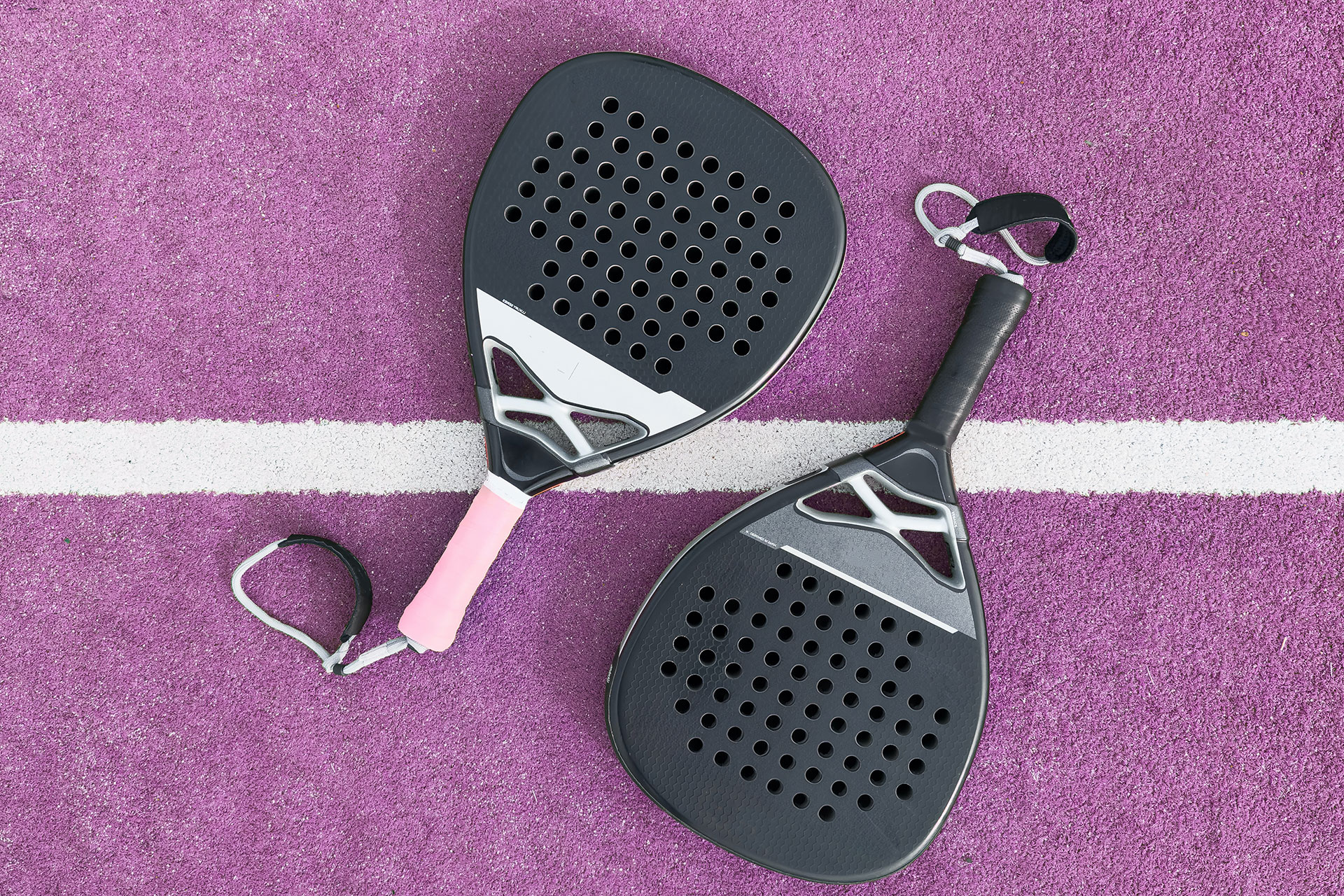
One of the reasons that padel is so engaging to play is that it is a game of constant movement and decision-making.
Success on the court isn’t just about hitting the ball well - padel is a sport built on teamwork. Since it’s almost always played in doubles, how you and your partner position yourselves on court can be just as important as how you strike the ball. This positioning is known as your formation.
At its simplest, formations describe where each player stands after the serve and during rallies. The two most common setups are the traditional formation and the Australian formation:
Both formations have their merits. Choosing between them depends on your team’s strengths, preferences and tactical approach.
Knowing when to position yourself offensively or defensively can make the difference between winning and losing points. Here are some thoughts from the Padel39 team about how to develop your strategic game:
The offensive formation is all about control.
When both players move forward and take the net, they cut down their opponents’ angles and put pressure on them to come up with the perfect lob or passing shot.
The benefits of going offensive include:
However, committing to offensive play comes with risks. A poorly timed approach can leave you vulnerable to lobs, forcing you back to the baseline and resetting the point in your opponents’ favor.
In contrast, the defensive formation sees both players near the back wall, absorbing pressure from opponents who have taken the net.
While it might feel like you’re on the back foot, good defense is essential in padel.
The benefits of going defensive include:
Defense isn’t about retreating permanently - it’s about surviving long enough to create opportunities to counterattack and move back into offense.
The best padel players are masters at knowing when to shift from one formation to the other.
Padel is a game of balance between defense and offense. A team that only attacks may get burned by lobs, while a team that only defends will struggle to win points outright.
The key is to read the flow of play, recognize the right moments to transition, and stay connected with your partner at all times.
Formations are the backbone of padel strategy.
Whether you play traditional or Australian, understanding when to press forward and when to hold back ensures you’re not just reacting but playing proactively.
With practice, you and your partner will develop an intuitive sense of when to go offensive or defensive, turning every rally into an opportunity.
As always, come and chat to one of the Padel39 coaching team if you want to explore how we can help you improve your game.